Baeza hosts the first world meeting on proteins trapped in DNA
Topics UNIA
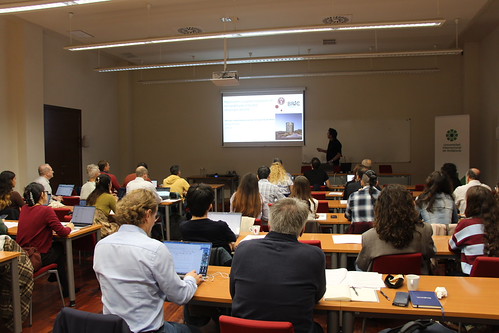
The Antonio Machado headquarters of the UNIA brings together from November 18 to 20 more than fifteen scientists to address the genomic damage of DNA-protein crosslinks.
JaénYa newsroom ·
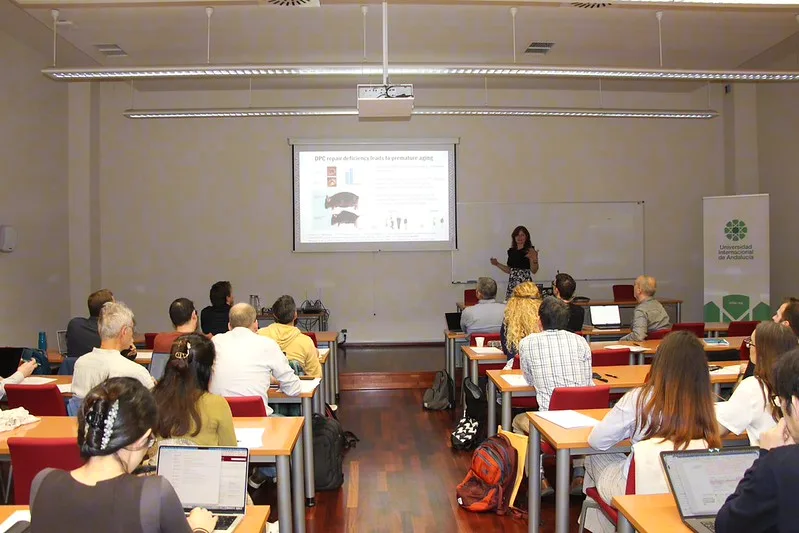
The damage that cells suffer when a protein becomes trapped in DNA is the subject that brings together these days in Baeza more than one fifteen scientists from Europe, the United States and Asia. The meeting, held from November 18 to 20 at the Antonio Machado venue of the Universidad Internacional de Andalucía (UNIA), is organized by Iván V. Rosado, of the Centro Andaluz de Biología y Medicina Regenerativa (CABIMER), and Fernando Gómez-Herreros, of the Instituto de Biomedicina de Sevilla (IBiS).
The organizers explain that these lesions, known as DPCs or proteins trapped in DNA, block the essential processes of cellular replication and transcription. When they are not repaired properly, they can cause genomic instability, premature aging, cancer and neurodegenerative diseases. According to Rosado and Gómez-Herreros, the last decade has brought an explosion of discoveries that have placed this molecular pathology at the center of genome biology and medicine, with direct implications for cancer treatment, since many chemotherapy drugs act by inducing this type of damage, and for understanding rare diseases of genetic origin.
The two heads of the meeting note that until now there was no international forum dedicated exclusively to integrating the biochemical, structural, cellular and clinical perspectives of these lesions. "This workshop is the first monographic world meeting on the subject and a unique opportunity to bring together the groups working on it," they state.
Five blocks and space for young researchers
The program is divided into five main blocks: the sources of formation of this damage in the cell; the enzymes and mechanisms for resolving the lesions; their intersection with DNA repair pathways; their role in rare diseases and cancer predisposition; and new technologies to detect and quantify them. In addition, there is a round table on therapeutic challenges, short communication and poster sessions, and specific spaces for young researchers designed to build bridges between generations and foster international collaborations.
Participants come from leading institutions in Europe, the United States and Asia and work in molecular biology, structural biochemistry, oncology, pediatric neurology and medicinal chemistry, with recent publications in journals such as Nature, Science, Cell or Molecular Cell.
The director of the Centro Especializado de Apoyo a la Investigación (CEAI) of the UNIA, Juan Jiménez, has welcomed the participants. These workshops are programmed by CEAI-UNIA with the aim of promoting international cooperation and scientific exchange in Biomedicine between Andalusian researchers and the international scientific community.
Breaking news from News, on your phone
An alert only when something can't wait. Free, no account needed.
On iPhone, alerts only arrive if you first add JaénYa to your Home Screen. How to do it, step by step
This browser can't receive alerts. Try another one, such as Chrome or Safari.
You've blocked alerts from JaénYa in this browser. You can turn them back on in its settings. How to do it, step by step
Only what can't wait. Change or remove it in my alerts
Shall we let you know what matters?
Phone alerts
On iPhone, alerts only arrive if you first add JaénYa to your Home Screen. How to do it, step by step
This browser can't receive alerts. Try another one, such as Chrome or Safari.
You've blocked alerts from JaénYa in this browser. You can turn them back on in its settings. How to do it, step by step