
Flu vaccination opens from this Wednesday to people over 60 in Andalucía
People aged 60 or over, the security forces, firefighters, civil protection and professionals with direct exposure to animals can be vaccinated from Wednesday, October 21 by making an appointment at their health centre.
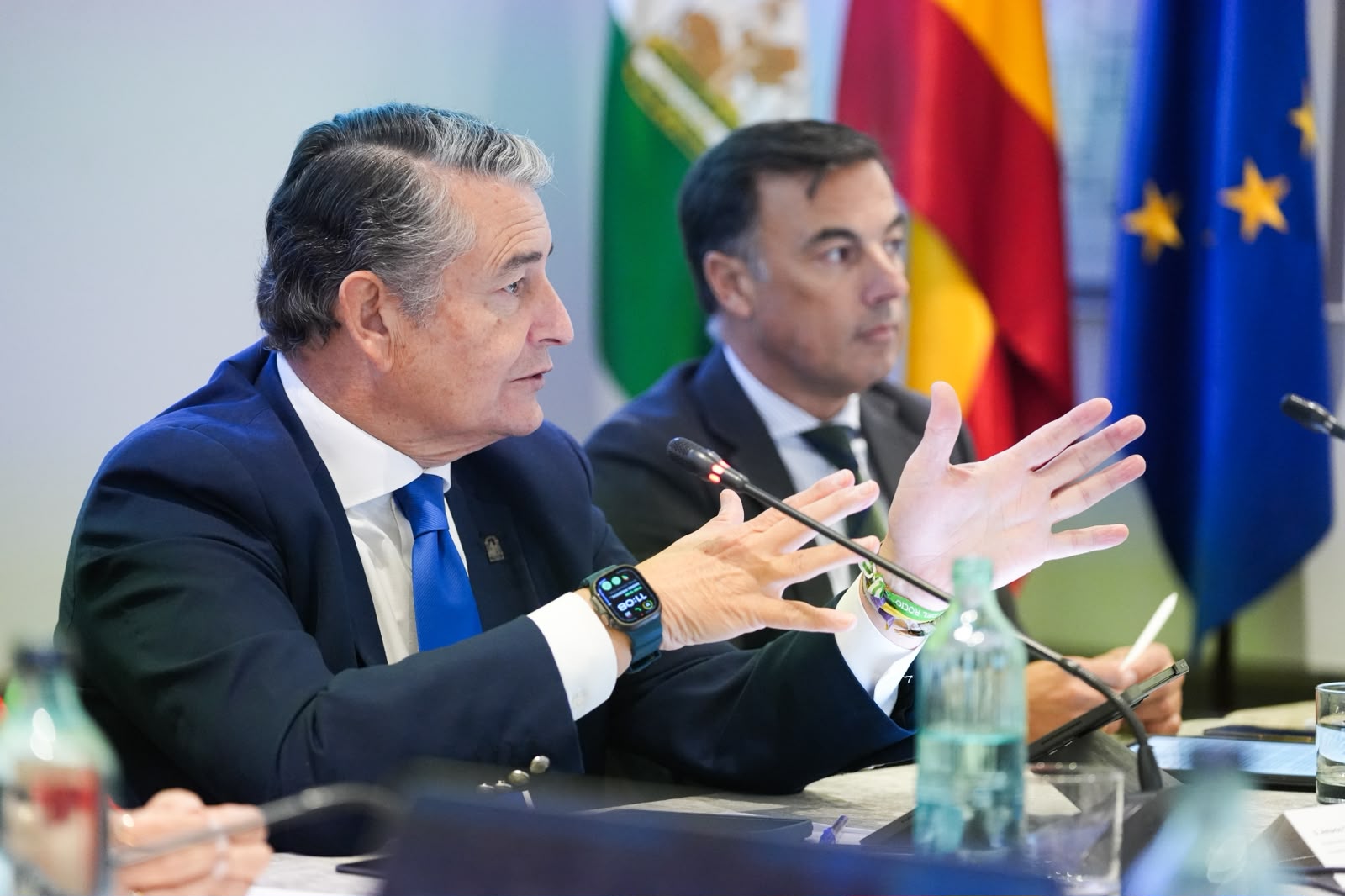
The flu vaccination campaign enters a new phase this Wednesday, October 21, with the addition of the last groups for whom it is recommended. The dose may be received by people aged 60 or over, members of state security forces and bodies, firefighters and civil protection, as well as professionals with direct exposure to animals and penitentiary institutions.
How to request the vaccine
Anyone in one of these groups must make an appointment with their health centre to receive the dose. This was stated by the first vice-president and minister of the Presidency, Health and Emergencies, Antonio Sanz, who encouraged all recommended groups to get vaccinated.
The flu and covid campaign began on October 1 with children from 6 months to almost 5 years old and care homes for the elderly. On October 7, people aged 80 or over joined, and on October 14 those over 70 and adults with chronic pathologies and risk situations.
Vaccination without an appointment from November
From November 11 there will be vaccination days without an appointment every Wednesday for as long as the campaign lasts at health centres. Two super Saturdays of vaccination are also being prepared at shopping centres.
Bronchiolitis
Sanz highlighted the pace of immunisation of children under 6 months against respiratory syncytial virus (RSV), which causes bronchiolitis. According to his explanation, nirsevimab has been administered to 27,583 of the 32,942 infants targeted by the campaign, which represents coverage of 83.7%.
This year the campaign against RSV will for the first time include people over 60 who live in care homes or are undergoing treatment with immunosuppressive drugs, and people over 18 at very high risk.
Sanz noted that the vaccine is a "fundamental tool" to prevent complications, reduce hospitalisations and protect the most vulnerable people against respiratory viruses.